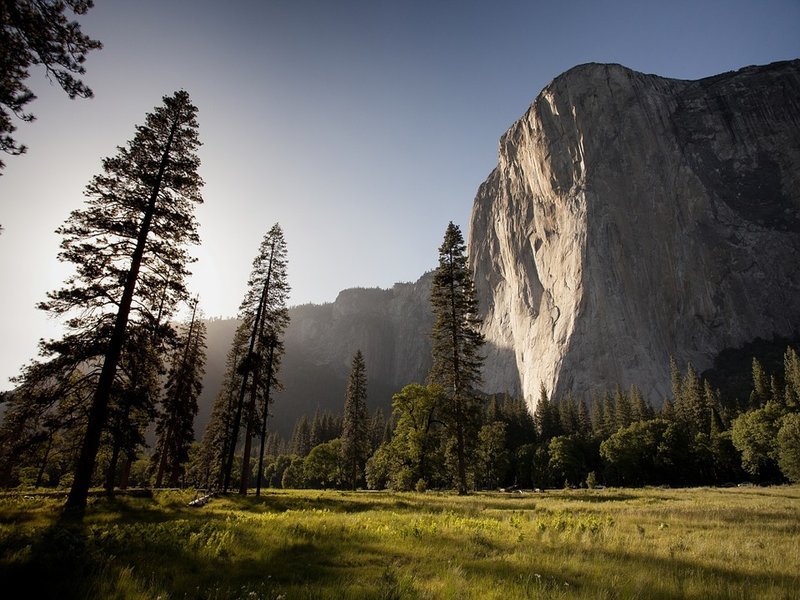
North Carolina might not be the first place that comes to mind when climbers plan a big trip. The usual suspects are The Nose in Yosemite National Park, but those in the know understand that the state is an under-rated treasure, offering some really scenic, varied, and challenging climbing spots in the Southeastern U.S. From towering granite domes and technical ridgelines to lush boulder fields tucked between rhododendron groves, the Tar Heel State is an outdoor playground that rewards the adventurous and curious.
Whether you’re a local weekend warrior based in Charlotte, a trad-lover traveling through the Blue Ridge Mountains, or a curious vacationer enjoying a relaxed beach escape in the Outer Banks, North Carolina offers climbs that suit every level and climbing style. The mix of wild backcountry, roadside crags, and welcoming communities means there’s something for everyone—from serene solo sessions to ambitious multi-pitch missions.
Let’s explore some of the state’s most iconic destinations, the best seasons to visit, and tips to help you experience the best rock climbing in North Carolina.

1. Linville Gorge
Often referred to as the “Grand Canyon of the East,” Linville Gorge is a rugged slice of wilderness unlike anywhere else in the region. This dramatic landscape is carved by the Linville River and flanked by towering cliffs, offering some of the most adventurous traditional climbing in the state. It’s a remote and demanding area, known for long, multi-pitch routes, steep and technical approaches, and sweeping views that take your breath away.
Recommended Climbing Routes
Classic routes like The Daddy, The Mummy, and The Prow stand out not just for their climbing quality, but for the sense of immersion they offer—no crowds, no traffic noise, just you, your rope, and the sound of the wind through the trees. This is not an area for beginners. Climbers should be confident in their route-finding abilities, anchor-building, and wilderness preparedness. It’s a true adventure zone where commitment and respect for the environment go hand in hand.
Spring and fall are the most favorable seasons to visit Linville. In summer, the heat and humidity can be intense, and the bugs are persistent. Winters are cold, and the routes can be icy. Because of the long, steep hikes in and out, early starts and careful packing are essential if you want to experience one of the best rock climbing in North Carolina.
2. Looking Glass Rock: Granite Domes and Classic Lines
Just outside Brevard, Looking Glass Rock rises from the Pisgah National Forest like a shimmering silver dome. Its name comes from the way water reflects off the granite face during the colder months. The climbing here is legendary, with long slab routes, crack climbs, and even some newer sport lines.
Recommended Climbing Routes
Looking Glass is a trad climber’s dream. Routes like Glass Menagerie and The Nose test a climber’s crack technique, balance, and mental stamina, often with significant runouts and tricky gear placements. The rock’s texture lends itself to excellent friction, particularly in the cooler months of fall and winter when the surface becomes crisp and grippy. It’s one of those places where cold hands are a small price to pay for stellar conditions.
After a day on the dome, nearby Asheville makes the perfect recovery spot. Known for its vibrant arts scene, farm-to-table dining, and impressive craft beer culture, Asheville adds a layer of culture and comfort to your climbing getaway.
3. Rumbling Bald: Bouldering in the Heart of the Mountains
If you’re drawn to the challenge of bouldering, Rumbling Bald in Hickory Nut Gorge is an essential stop. Once the subject of access restrictions, this area is now one of the most celebrated bouldering destinations in the Southeast. Set among mossy boulders and dense forest, it’s a place where climbers of all levels can find quality problems across a wide variety of styles and grades.
From powerful overhangs and techy compression problems to delicate slabs and edges, Rumbling Bald has something for everyone. The sheer number of problems here—spread out across the landscape—means you could spend weeks exploring and still leave with a tick list. The best season for bouldering is during the fall and winter when crisp air conditions allow for maximum friction and peak performance.
Bring multiple pads, a good spotter, and a keen eye—many of the best boulders are tucked between trees or just off the trail. There’s a real sense of discovery here, and it adds to the magic of the climbing experience.
4. Moore’s Wall: Pumpy Routes with Panoramic Payoffs
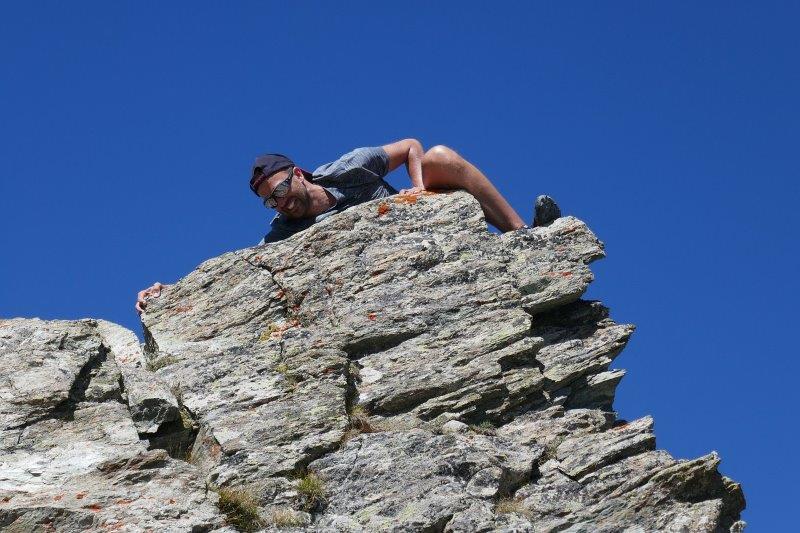
Tucked inside Hanging Rock State Park, Moore’s Wall is a stunning quartzite cliff line that offers bold, steep, and technical climbs. It’s an area that demands focus and precision, with small edges, overhanging features, and quirky movement that tests climbers physically and mentally. For those who enjoy steep trad climbing with exposure, Moore’s Wall delivers a memorable experience for those seeking an adventure or are looking for the best rock climbing in North Carolina.
Recommended Climbing Routes
Standout routes like Zoo View and Golden Rule are known for their technical difficulty and excellent protection. The approach is straightforward, the rock is solid, and the views from the top are among the best in the state. It’s a place that reminds you how satisfying a hard-earned climb can be, especially when the wind catches your chalk-streaked hands at the summit.
Spring and fall bring the best conditions here. In summer, the area can be sweltering, and in winter, ice and cold winds can make climbing tricky—though the sun does warm parts of the wall.
5. Pilot Mountain and Crowders Mountain: Friendly and Fun
For climbers seeking convenience and accessibility, Pilot Mountain and Crowders Mountain are ideal choices. Located close to urban centers like Winston-Salem and Charlotte, these state parks are popular spots for beginner climbers, families, and those looking for quick, casual climbing days.
Pilot Mountain is especially well-developed, with well-bolted sport climbs, well-worn trails, and designated climbing areas. It’s a common location for guided trips and instructional clinics. Crowders Mountain, while smaller, offers several routes that surprise with their steepness and variety, along with quick access to climbing and short approaches from the parking lot.
Because of their popularity and proximity to cities, both crags can get crowded on weekends. Visiting on weekdays or arriving early in the day can make for a more relaxed experience. These areas are also great for training before moving on to the more remote and committing terrain elsewhere in the state.
Best Times to Climb in North Carolina
One of North Carolina’s greatest strengths is its year-round climbing potential—though the best season varies depending on where you go.
Climbing in Spring
In the spring, the air is cool and the days are long, making it ideal for long trad days in places like Linville and Looking Glass. Flowers bloom, the forest comes alive, and the friction is great for both bouldering and roped climbing.
Climbing in Summer
Summer presents challenges, especially in the Piedmont and lower elevation areas, due to heat and humidity. However, high-elevation crags remain comfortable thanks to mountain breezes and shaded routes. Morning sessions and climbing in the shade are essential.
Climbing in Autumn
Autumn is considered the peak season. The weather is stable, the temperatures are perfect, and the fall foliage adds breathtaking beauty to every view. It’s a time when climbers across the region flock to North Carolina to make the most of the season.
Climbing in Winter
Winter is prime time for bouldering, especially at Rumbling Bald. The cold air creates ideal friction, and sunny days provide just enough warmth to keep sessions productive. Higher elevation trad areas can see snow and ice, but clear days still offer opportunities with the right gear and preparation.
Where to Stay: From Forest Camps to Coastal Comfort
Accommodations across North Carolina range from rustic and remote to refined and relaxing. Climbers who prefer to stay close to the action can find campgrounds near Pisgah National Forest, budget lodges in Boone, or cozy cabins near Lake Lure and Asheville.
For those looking to balance adventure with comfort, basing your trip near the coast is an excellent way to mix climbing and vacation. The town of Duck in the Outer Banks offers elegant vacation homes with ocean views, spacious kitchens, and easy access to shops, restaurants, and sandy beach walks. You can browse a curated collection of Outer Banks vacation homes in Duck through Carolina Designs, making it easy to unwind in style after a long day on the rock. A few days by the sea can be the perfect counterbalance to a rigorous climbing itinerary.
Packing for Success
Climbing in North Carolina demands thoughtful packing. Weather can shift quickly in the mountains, so versatile layers are key—think breathable base layers, a lightweight down jacket, and a rain shell. For trad climbers, a standard rack with doubles in mid-size cams will cover most routes, while boulderers should come prepared with pads, tape, brushes, and a backup for skin care.
In addition to the usual essentials like harnesses, helmets, and shoes, remember to bring a headlamp, printed or digital guidebooks with offline access, and a water purification option if heading into more remote areas. Being self-sufficient, especially in areas like Linville Gorge, is not only wise but often necessary.
Beyond the Crag: Food, Culture, and Rest Days
Part of what makes the experience of the best rock climbing in North Carolina so special is the richness of experiences beyond the rock. The state is home to vibrant communities, excellent local food, and scenic places to relax and explore between climbing days.
Asheville
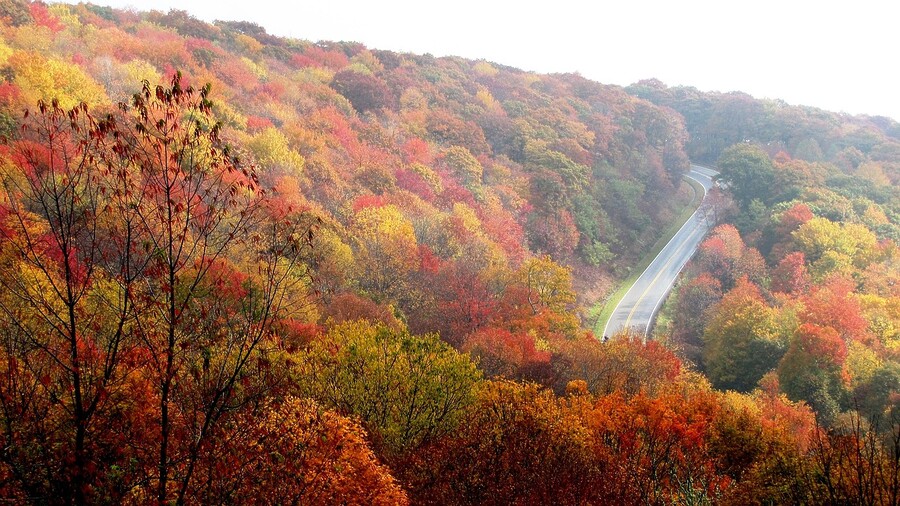
Asheville is a haven for outdoor lovers, artists, and foodies. After a long day on the wall, you can recover with a locally roasted coffee, visit one of the city’s award-winning breweries, or explore art galleries and bookstores. Brevard is smaller but just as charming, with easy access to waterfalls, local markets, and forest trails.
Duck
Closer to the coast, a stay in Duck lets you enjoy Atlantic sunrises, fresh seafood, and the calm rhythm of beach life. Whether you’re strolling through the dunes or indulging in a sunset dinner, it’s the perfect place to reflect, reset, and restore your energy for the next climb.
Final Reflections
Outdoor climbing in North Carolina is about more than just routes and grades. It’s about discovery—of places, of people, and often, of yourself. This state offers climbs that test your courage, reward your patience, and leave you with stories etched into your memory like chalk on stone.
From granite domes and quiet boulder fields to beginner-friendly crags and beachside escapes, North Carolina is a destination where every type of rock climber and boulderer can find something meaningful, even if it’s your first time with the sport. It invites you to move slowly, stay grounded, and connect deeply—with the land, with your climbing partners, and with the broader community that calls these cliffs home.
Climb responsibly, travel kindly, and let the beauty of the Tar Heel State inspire your next vertical journey.
Frequently Asked Questions (FAQs)
1. Is North Carolina good for rock climbing all year-round?
Yes, with some planning! Spring and fall offer the best conditions across the board. Summer is great for high-elevation crags like Linville Gorge, while winter is perfect for bouldering spots like Rumbling Bald. Just check the weather and access updates before you go.
2. Where should I stay if I want to climb and also relax by the beach?
If you’re craving granite by day and ocean breeze by night, base your trip in Duck, Outer Banks. It’s the ideal way to unwind after long climbing sessions. Check out these vacation homes in Duck for stylish, spacious stays right by the sea.
3. Do I need permits or reservations to climb in North Carolina?
Some areas like Linville Gorge require permits for overnight trips, especially in peak season. Most state parks are open to day use, but it’s best to check with the local land agency or the Carolina Climbers Coalition for the latest updates and guidelines.