
Iceland is a land of extremes—where glaciers meet volcanoes, waterfalls plunge over moss-covered cliffs, and geothermal springs steam beside icy fjords. A road trip across this incredible island is the ultimate way to experience its raw, untamed beauty. Whether you’re chasing the Northern Lights, soaking in hot springs, or hiking across lava fields, Iceland offers adventure at every turn.
To make the most of your journey, planning is crucial. From unpredictable weather and rugged terrain to remote fuel stops, an Iceland road trip demands both spontaneity and smart logistics. This 7-day itinerary helps you hit all the must-see spots along the famous Ring Road while leaving room for hidden gems and slow, mindful travel.
Whether you’re traveling solo, with a partner, or with a group of friends, get ready for a once-in-a-lifetime journey through one of the most extraordinary landscapes on Earth.

Day 1: Arrival in Reykjavík + Golden Circle Warm-Up
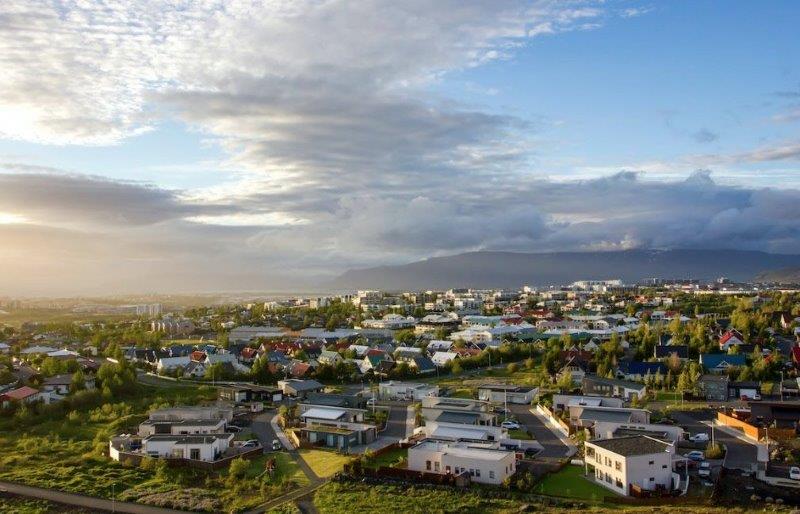
Upon arrival at Keflavík International Airport, collect your rental car and head into Reykjavík to pick up supplies and enjoy a few hours exploring the city. Iconic landmarks like Hallgrímskirkja Church and the Sun Voyager sculpture are worth a visit, and local cafés provide a welcoming introduction to Icelandic cuisine.
From Reykjavík, begin your road trip by driving toward the Golden Circle. Þingvellir National Park, a UNESCO World Heritage Site, is the first major highlight, offering a fascinating look into Iceland’s geological and political history. You can walk through the rift valley between the Eurasian and North American tectonic plates and take in views of crystal-clear springs and ancient lava formations.
Continuing on, the majestic Gullfoss Waterfall delivers a powerful impression as it crashes into a rugged canyon below. Just a short drive away, the geothermal area known as Geysir features bubbling hot springs and the regularly erupting Strokkur geyser, which shoots steaming water high into the air every few minutes. If time allows, unwind in the Secret Lagoon in Flúðir before settling in for the night in a nearby town such as Selfoss or Hella.
Day 2: South Coast Wonders
The second day takes you along Iceland’s southern coastline, famed for its iconic waterfalls and black sand beaches. One of the first sights is Seljalandsfoss, a narrow but powerful waterfall that offers the rare chance to walk behind the cascading water. A short walk away is Gljúfrabúi, a hidden gem tucked within a mossy canyon that feels like a secret world of its own.
Further along the Ring Road, Skógafoss impresses with its wide curtain of water that crashes dramatically into the rocks below. For those seeking an elevated perspective, a staircase beside the falls offers a rewarding panoramic view. Not far away is Sólheimajökull Glacier, where adventure-seekers can join guided glacier hikes or even try ice climbing.
The day continues with a visit to Reynisfjara Beach, known for its black sand, basalt columns, and roaring Atlantic waves. Just nearby, the Dyrhólaey promontory provides sweeping views of cliffs and rock formations, and during the summer months, puffins nest along its ledges. After a day full of awe-inspiring natural beauty, rest for the night in the coastal village of Vík or the nearby town of Kirkjubæjarklaustur.
Day 3: Vatnajökull Region & Glacier Lagoons
The landscape transforms into an icy wonderland as you approach Vatnajökull National Park, home to Europe’s largest glacier. Begin your day with a visit to Skaftafell, a region within the park that offers diverse hiking trails. One of the most popular leads to Svartifoss, a waterfall surrounded by dark basalt columns that resemble organ pipes. For experienced hikers, longer trails lead to stunning viewpoints over glaciers and snow-capped peaks.
In the afternoon, continue toward one of Iceland’s most magical sights: Jökulsárlón Glacier Lagoon. Here, icebergs that have broken off from the Breiðamerkurjökull Glacier float serenely across the lagoon, creating a surreal and ever-changing landscape. Across the road, Diamond Beach offers the chance to witness ice chunks from the lagoon washed ashore and glistening against the volcanic black sand.
For a more immersive experience, consider joining a boat tour that weaves between the icebergs or book a guided tour into the nearby ice caves if traveling in winter. As the day comes to a close, head to the town of Höfn, known for its scenic harbor and delicious seafood, particularly its locally caught langoustine.
Day 4: Wild East Fjords
Day four takes you off the beaten path into the East Fjords, a remote and less-visited part of Iceland. The drive itself is a highlight, with winding coastal roads that hug steep cliffs and reveal one dramatic vista after another. The fishing village of Djúpivogur offers a quiet, artistic charm and is home to the outdoor sculpture trail known as Eggin í Gleðivík, which features large stone replicas of bird eggs found in the area.
As you continue through the region, you may pass tiny settlements, narrow gravel roads, and the occasional reindeer grazing in the wild. If road conditions allow, a detour to Mjóifjörður provides an exceptionally secluded experience, often described as one of Iceland’s most beautiful fjords.
Eventually, you’ll arrive in Seyðisfjörður, a colorful town framed by mountains and waterfalls. Known for its creative community, the town features charming wooden buildings, a vibrant arts scene, and the iconic rainbow-colored street leading to the blue church. Spend the evening enjoying the slow pace and serene atmosphere of this picturesque location or stay in nearby Egilsstaðir for a wider range of accommodation options.
Day 5: Geothermal North
The journey continues into the northeast, where geothermal and volcanic landscapes create a surreal backdrop. Your first stop is Dettifoss, Europe’s most powerful waterfall, located in the stark expanse of Vatnajökull National Park. The sheer force of the water as it plunges into the canyon is unforgettable and can be viewed from both the east and west banks depending on access conditions. You can even tour the glacier island with a pickaxe like we had!

As you approach Lake Mývatn, the terrain becomes increasingly alien. At Hverir, you’ll encounter steaming fumaroles, boiling mud pots, and sulfur-stained hills. The nearby Krafla volcanic area offers trails through lava fields and around craters like Víti, where vivid turquoise water contrasts against the dark volcanic rock.
After exploring these geological wonders, relax in the Mývatn Nature Baths. Often considered a quieter alternative to the Blue Lagoon, these geothermally heated pools offer soothing views of the surrounding lava fields. Before ending the day, consider visiting Grjótagjá, a small cave filled with hot water and made famous by a scene from Game of Thrones. Overnight stays in Mývatn or the nearby town of Húsavík are ideal, with the latter being a great base for whale watching.
Day 6: Culture & Coast in the North
On the sixth day, drive toward Akureyri, Iceland’s second-largest city. But first, make a stop at Goðafoss, a waterfall steeped in history. Legend has it that when Iceland converted to Christianity, the country’s pagan idols were thrown into the waterfall, giving it the name “Waterfall of the Gods.”
Arriving in Akureyri, take time to explore the town’s lively streets, botanical gardens, and inviting cafés. The city is a cultural hub with museums, street art, and shops offering handmade goods. For a relaxing and unconventional experience, head to the nearby village of Árskógssandur and visit the Beer Spa, where guests can soak in tubs of warm, beer-infused water.
For those interested in more scenic drives, a detour through the Tröllaskagi Peninsula leads to Siglufjörður, a charming fishing town tucked between towering mountains. With its maritime museum and peaceful harbor, it’s a worthwhile addition to the itinerary before settling down for the night in Akureyri or Blönduós.
Day 7: West Iceland & Return
The final stretch of your journey takes you through West Iceland, where nature and history combine in striking ways. Hraunfossar, a series of delicate waterfalls flowing through lava fields, creates a unique and tranquil scene. Just upstream, Barnafoss roars through a narrow gorge, its name tied to a tragic folktale involving two children who disappeared from a nearby farm.
A short drive away lies Deildartunguhver, Europe’s most powerful hot spring. The volume of water it produces is impressive, and nearby facilities harness its energy to heat local towns. If time allows, consider visiting Krauma Baths, a modern spa that blends hot spring water with glacial runoff for the perfect soaking temperature.
On your way back to Reykjavík, you may choose to stop at Reykholt, the historic home of Snorri Sturluson, a medieval writer and scholar whose works preserve much of Norse mythology. If you’re traveling with a campervan, especially one of the budget-friendly options available through Cozy Campers, you’ll find plenty of convenient spots to park for the night as you prepare for your departure.
Final Tips for a Smooth Iceland Road Trip
For those planning to drive the Ring Road, a standard two-wheel-drive vehicle is typically sufficient during the summer months. However, travelers visiting in winter or venturing into the Highlands will need a four-wheel-drive vehicle due to challenging road conditions. A 4×4 campervan is suited and required for F-roads that lead to the Highlands. (Pro tip: Check with the rental company for a list of F-roads that they allow (or not) for you to take.) Renting a well-designed 4×4 campervan helps create a smooth and safe travel experience amid a challenging itinerary.
If you’re packing for a winter road trip, bringing multiple layers of clothes is essential, as the weather can shift dramatically throughout the day. A good waterproof jacket, hiking boots, and a reusable water bottle will serve you well. Download offline maps in advance, as mobile reception can be spotty in remote areas. Lastly, book your accommodations and popular tours early, especially during the high season, to secure availability and better rates.
A 7-day road trip through Iceland is a breathtaking adventure that immerses you in one of the world’s most diverse and stunning natural environments. With volcanoes, glaciers, waterfalls, and coastal villages, each day reveals a new layer of beauty. Plan well, drive safely, and prepare to be amazed by the land of fire and ice.

FAQ: Iceland Road Trip Planning
1. When is the best time to do a 7-day Iceland road trip?
The most popular time is between May and September, when roads are generally clear, daylight hours are long, and the weather is more stable. However, if your goal is to see the Northern Lights, consider traveling between late September and mid-April, keeping in mind that some areas may be inaccessible due to snow.
2. Is the Ring Road manageable in 7 days?
Yes, it is possible to drive the entire Ring Road in seven days, although you’ll need to keep a steady pace. Daily driving distances range from 200 to 400 kilometers. While the itinerary will be full, it still allows time to enjoy the highlights along the way.
3. How much does a 7-day road trip in Iceland cost?
The cost depends on travel style and season, but on average, travelers spend between $1,500 and $2,500 USD per person. This includes car rental, fuel, accommodations, meals, and entrance fees for attractions or hot springs.
4. Can I see the Northern Lights during my trip?
Yes, but only if you travel during the right months. From late September to early April, Iceland offers a good chance of witnessing the aurora borealis, particularly in remote areas far from city lights. Check the aurora forecast regularly and look for clear skies at night. Bringing a tripod is recommended for capturing photos.