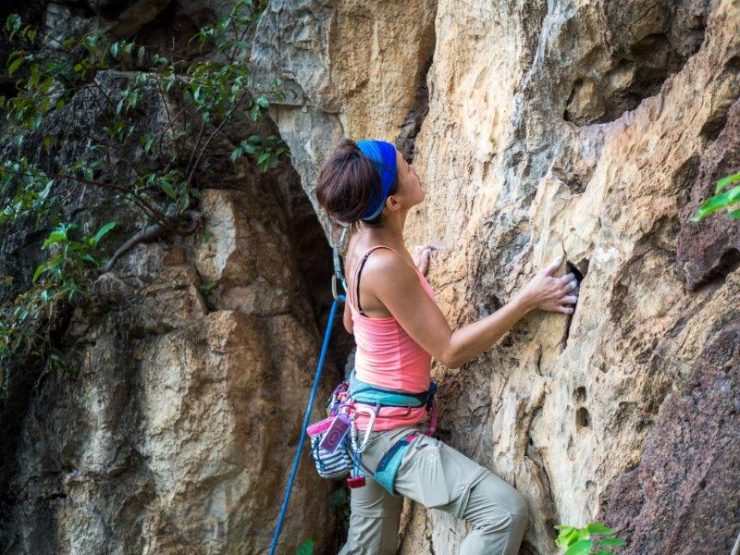
Rock climbing, as a hobby and recreational sport, offers a unique blend of physical challenge and mental exhilaration. While most city dwellers opt to climb in gyms, many have not yet experienced the unique difference of experiencing it outdoors. Choosing between indoor and outdoor climbing can significantly influence your experience, and skill development. Understanding the key differences between indoor and outdoor climbing is crucial, especially when preparing for an outdoor climbing trip. And so, we’re here to share our rock climbing safety tips with you.

Key Differences Between Indoor and Outdoor Climbing
Indoor gym climbing is generally a controlled environment with pre-set routes. The indoor setting provides climbers with reliable holds, consistent surface textures, and clear visibility, making it an ideal space for learning and honing basic skills. The walls are designed to mimic natural rock, but they lack the unpredictability and variability of the outdoors. Additionally, indoor climbing gyms are equipped with safety features such as cushioned flooring, padded walls, and professionally maintained gear, reducing the likelihood of injury from falls or equipment failure.

Outdoor climbing, on the other hand, presents a whole new set of challenges and rewards. Climbers must contend with natural rock formations, which vary in texture, stability, and difficulty. The routes are not always clearly marked, requiring climbers to read the rock and make decisions on the fly. Weather conditions, such as rain, wind, and temperature fluctuations, can drastically affect the safety and difficulty of the climb. Moreover, outdoor climbing often involves longer routes and the need to set up anchors and protection devices, adding a layer of complexity that is not typically encountered in indoor climbing.
Safety Considerations while Climbing
The importance of safety in outdoor climbing cannot be overstated. Unlike indoor climbing, where staff are present to monitor safety protocols, outdoor climbers are responsible for their own safety and that of their climbing partners. This responsibility includes proper gear inspection, route planning, and emergency preparedness. Without the controlled environment of a gym, outdoor climbers must be vigilant about the risks posed by unstable rock, weather changes, and potential falls.

With these considerations in mind, let’s delve into five critical gear preparation and rock climbing safety tips that can help ensure a safe and enjoyable outdoor climbing experience.
5 Critical Safety and Gear Preparation Tips Before an Outdoor Climbing Trip
1. Refresh Your Outdoor Climbing Techniques Ahead of Time
Before embarking on an outdoor climbing trip, it is essential to refresh your climbing techniques, particularly if you are accustomed to indoor climbing. Unlike the controlled environment of a gym, outdoor climbing demands a more comprehensive skill set, including the ability to navigate natural rock formations and manage unpredictable conditions.
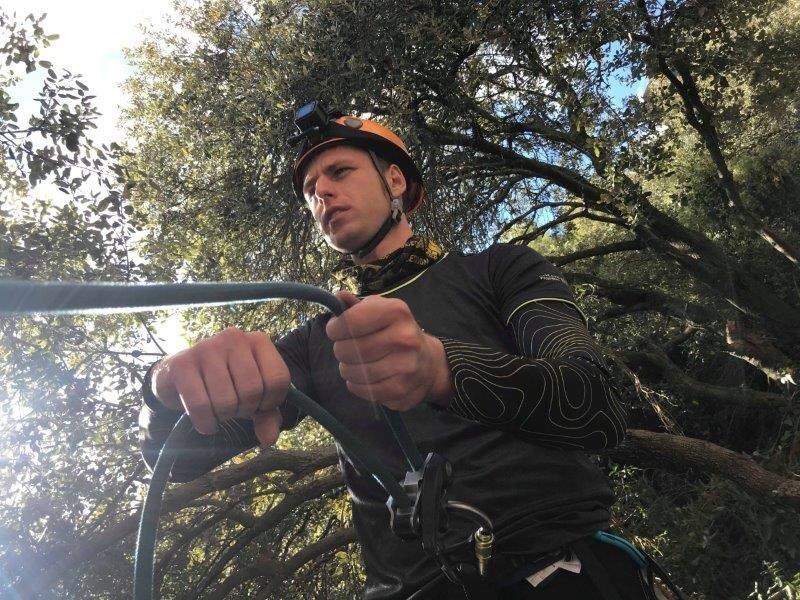
If you’re planning to climb independently rather than with a guided tour, it is vital to practice specific outdoor techniques. For instance, if you are the last climber on a route, mastering the art of ‘topping out’—safely transitioning from the climbing route to the top of the climb—is crucial. This skill is particularly important for ensuring a safe descent.
For those tackling multi-pitch routes, it is important to review essential techniques such as belaying, rope management, and setting up anchors. Effective communication with your climbing partner is also paramount. Revisit standard climbing commands to ensure clarity and prevent misunderstandings that could lead to dangerous situations.
One of the most critical skills in outdoor climbing is abseiling, or rappelling, which is often used for descending after completing a climb. Abseiling accidents are among the most common and fatal in outdoor climbing, making it imperative to practice this technique thoroughly. Ensure you are familiar with rope safety measures and practice controlled descents in a safe environment before your trip.
2. Gear Inventory Checks and Inspections
The gear you bring on an outdoor climbing trip can mean the difference between a successful climb and a dangerous situation. Unlike indoor climbing, where equipment is usually provided and maintained by the gym, outdoor climbers must rely on their own gear, making regular checks and inspections critical.
Start by thoroughly inspecting all personal and rental gear, including slings, belay devices, harnesses, and climbing shoes. Look for signs of wear and tear, such as frayed ropes, worn harnesses, and damaged carabiners. If any equipment shows signs of significant wear, replace it before your trip.

Lead climbers should pay special attention to additional equipment such as ropes, quickdraws, and carabiners. For multi-pitch or traditional (trad) climbing, you will need a different set of gear, including cams, nuts, and more carabiners. Make sure these items are in good condition and suited to the specific type of climbing you will be doing.
Consider bringing additional items that can enhance safety and convenience, such as prusik cords for self-rescue and walkie-talkies for communication. These tools can be invaluable in situations where a quick response is needed, or when communication is difficult due to distance or noise.
3. Buffer in Plenty of Time
Time management is a crucial aspect when you transition from indoor to outdoor climbing, whereby delays can quickly turn into dangerous situations. Unlike indoor climbing, where you have the luxury of fixed hours and lighting, outdoor climbing is subject to the whims of nature and the limitations of daylight.
Important rock climbing safety tips include checking the weather forecast and sunset times for the day of your climb. Understanding the expected conditions can help you plan your ascent and descent more effectively. Be aware of potential delays, such as difficult terrain or unexpected weather changes, and build a buffer into your schedule.
Research the access route to your climbing site beforehand. Understanding the trail and any obstacles you might encounter will help you avoid getting lost or delayed. Start your climb early in the day to maximize daylight, especially if you are climbing in areas with shorter daylight hours.

Establish strict turnaround times with your climbing partners. If you are running out of time or if the weather takes a turn for the worse, be prepared to turn back or retreat. Pushing on in unsafe conditions can lead to accidents or getting stranded in the dark.
Always bring extra safeguards such as headlamps, even if you plan to finish your climb before dark. Unexpected delays can occur, and having a headlamp can make the difference between a safe descent and a dangerous situation.
4. Know Your Climbing Routes Ahead of Time
Thorough knowledge of your climbing routes is essential for a safe and successful outdoor climbing experience. Unlike indoor climbing, where routes are clearly marked and easily accessible, outdoor climbing often requires extensive research and preparation.
Start by purchasing a climbing guidebook for the area you plan to visit. These books not only provide detailed information on routes but also support the local climbing community that developed and maintains them. If you prefer digital resources, download route information, crags, and topos to your phone ahead of time, especially if you will be in areas with limited or no internet access.

Ensure that more than one person in your group is familiar with the routes and the access trail. This redundancy is crucial in case the primary navigator is unable to continue for any reason. Familiarity with the area also allows for better decision-making in case of unexpected challenges, such as weather changes or difficult terrain.
Enable emergency detection features on your smartphone, such as GPS tracking and SOS alerts, to enhance your safety. These features can help rescue teams locate you quickly in case of an emergency. Additionally, inform someone outside of your climbing group about your plans, including where you will be climbing and your expected return time. This precaution can be lifesaving if something goes wrong.
5. Emergency and Useful Things to Bring
Packing for an outdoor climbing trip involves more than just your climbing gear. Being prepared for emergencies and unexpected situations is crucial for ensuring your safety and comfort during the climb.
Climbing Knife
A climbing knife is an essential tool for cutting ropes or slings in emergencies. Make sure it is easily accessible, as seconds can count in a critical situation. A lighter is another must-have item, particularly if you find yourself in a survival situation and need to start a fire for warmth or signaling.
Sufficient Water
Hydration is key, so carry enough water for the entire trip, plus some extra in case of delays. Dehydration can impair your physical and mental performance, increasing the risk of accidents. Sun protection, including sunblock and sunglasses, is important, especially at high altitudes where the sun’s intensity can be much stronger.
Insect Repellent
Insect repellent can make your climb more comfortable, particularly in areas with a high prevalence of bugs. Energy bars and extra food are also important for maintaining energy levels during the climb. If you are planning a longer expedition, consider packing additional rations in case you are delayed.
Waterproofing and First Aid
Other useful items include ponchos for unexpected rain, a basic first aid kit for treating minor injuries, and hygiene essentials like toilet paper and antibacterial wipes. These items can make a big difference in your comfort and safety during the climb.
Things to Bring and Bring Back
Finally, remember to practice ‘Leave No Trace’ principles by packing out all trash and minimizing your impact on the environment. Protecting the natural beauty and integrity of climbing sites is crucial for preserving them for future generations.

By following these essential rock climbing safety tips, you can enjoy the thrill and beauty of outdoor climbing while minimizing risks and protecting the environment. Whether you are a seasoned climber or a beginner venturing from indoor to outdoor climbing for the first time, proper preparation, respect for nature, and a focus on safety are key to a successful and fulfilling climbing experience.