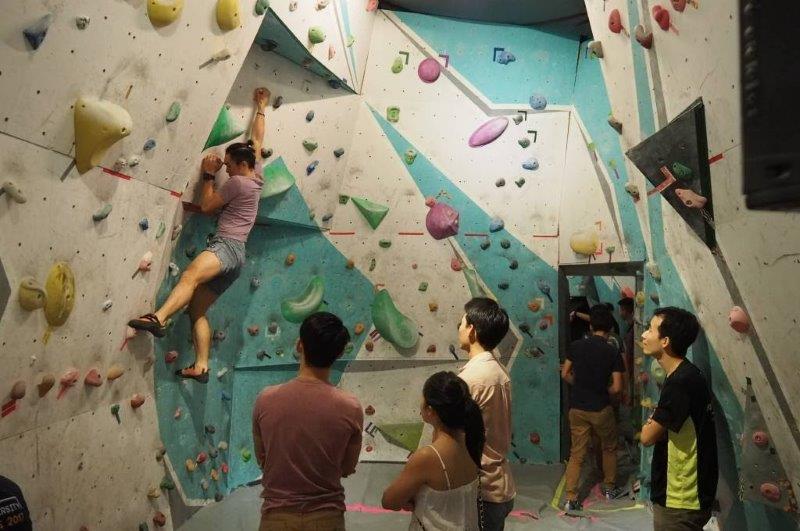
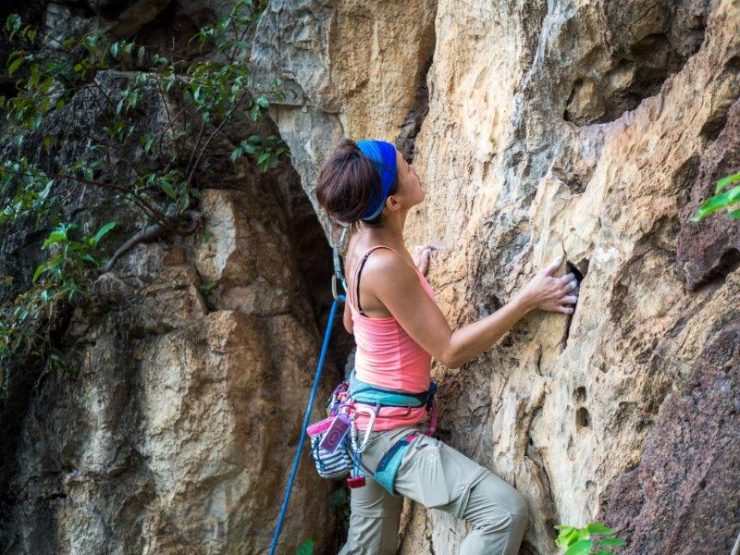
Australia is a dream destination for rock climbers, offering breathtaking landscapes and world-class climbing spots. From the towering sandstone cliffs of the Blue Mountains to the granite boulders of Tasmania, the country caters to climbers of all levels and styles. Whether you’re an experienced trad climber, a sport climbing enthusiast, or a boulderer searching for your next challenge, Australia has it all. However, with its vast and varied climate, knowing where to climb—and when—is crucial for making the most of your adventure.
If you’re planning a climbing trip to Australia, proper preparation is key. In addition to researching the best climbing destinations, ensuring you have the right travel documents is essential. Depending on your nationality, you may need an Australian visa for hassle-free entry. This allows you to focus on what truly matters—exploring Australia’s incredible rock formations and experiencing the thrill of climbing in some of the world’s most iconic locations.
This guide breaks down the different destinations for the best rock climbing in Australia, season by season, helping you find the ideal spots for your trip. Whether you want to escape the summer heat at coastal crags, take advantage of autumn’s perfect friction, embrace winter’s crisp conditions for hard sends, or enjoy the long climbing days of spring, this guide has you covered. Get ready to embark on an unforgettable climbing journey through Australia’s rugged landscapes, and start planning your trip today!

1. Summer (December–February)
Scorching heat, high UV exposure, rapid dehydration, and hot rock surfaces require shade and strategic timing.
Weather Conditions
As summer temperatures soar across Australia, climbers must adapt to the intense heat, high UV exposure, and dehydration risks. Inland regions like Mount Arapiles and the Grampians frequently surpass 35°C (95°F), with peaks above 40°C (104°F), making midday climbing nearly impossible. The sandstone cliffs retain and radiate heat, amplifying the challenge even in shaded areas.
For a more comfortable experience, many climbers head to coastal or high-altitude crags, where temperatures are significantly lower. Tasmania’s Freycinet Peninsula (12–25°C / 54–77°F) benefits from ocean breezes, while Point Perpendicular (16–29°C / 61–84°F) offers spectacular sea cliffs with exposure to cooling winds, making it a solid summer choice. The best conditions are found in the early morning (18–25°C / 64–77°F) or late evening when the rock is cooler. Since direct sunlight can make surfaces feel 10–15°C hotter than the air temperature, proper hydration, shade, and strategic planning are essential to stay safe and maximize performance.
Recommended Climbing Destinations
Tasmania becomes a prime destination during these months, offering pleasant temperatures that rarely exceed 25°C (77°F). The cool ocean breeze and higher altitude of certain crags make it a favorite escape for climbers. Ben Lomond provides a unique dolerite crack climbing experience for those looking to push their skills.
While mainland Australia experiences high temperatures, some climbers still take on the challenge of Booroomba Rocks in the ACT. This granite crag offers long, technical slab climbing and is best tackled in the cooler early mornings and late afternoons to avoid the harsh sun.
The Grampians, another world-renowned climbing destination, also offers some relief with shaded bouldering and sport climbing areas. The sandstone cliffs here hold heat, but areas like Andersons and Venus Baths provide opportunities to climb in cooler conditions. These crags are positioned in such a way that shade is available for a significant portion of the day, allowing climbers to extend their sessions. Bouldering enthusiasts will find the caves of Hollow Mountain an excellent choice, where shaded rock allows for climbing even during the warmer months. The Grampians are also home to seasonal restrictions due to wildlife conservation, so it’s always best to check access updates before planning a trip.
Key Considerations for Climbing in Australian Summers
Start Early or Climb Late: The best way to manage the heat is to plan climbs during cooler parts of the day. Many experienced climbers in Australia begin their sessions at sunrise and wrap up by late morning, then return for evening sessions when the sun is lower.
Hydration and Nutrition: Dehydration is a serious risk in Australian summers. Always carry extra water and electrolyte supplements to maintain hydration levels. Pack energy-rich snacks to avoid exhaustion during long sessions.
Choose Shaded Crags: Look for climbing areas with shade at different times of the day. Research crags that offer natural overhangs or are positioned to avoid direct sunlight.
Dress for the Conditions: Lightweight, breathable clothing, a wide-brimmed hat, and high-SPF sunscreen are essential. Long sleeves and light colors help reduce exposure to the sun while climbing.
Watch for Wildlife: Summer is the peak season for snakes and insects in Australia. Be cautious when walking through bushland to reach crags, and always check holds before grabbing onto them.
Check Fire Bans and Regulations: Many climbing areas in Australia are in national parks that may have fire bans in place during summer. Always check park regulations before heading out, and be mindful of the risk of bushfires in dry conditions.
Plan for Rest Days: With the intense summer heat, scheduling rest days is necessary. Use these days to explore nearby attractions, cool off in natural swimming spots, or engage in active recovery activities like hiking or yoga.
2. Autumn (March–May)
Crisp, dry air, stable weather, lower humidity, and excellent friction make it prime for technical climbs.
Weather Conditions
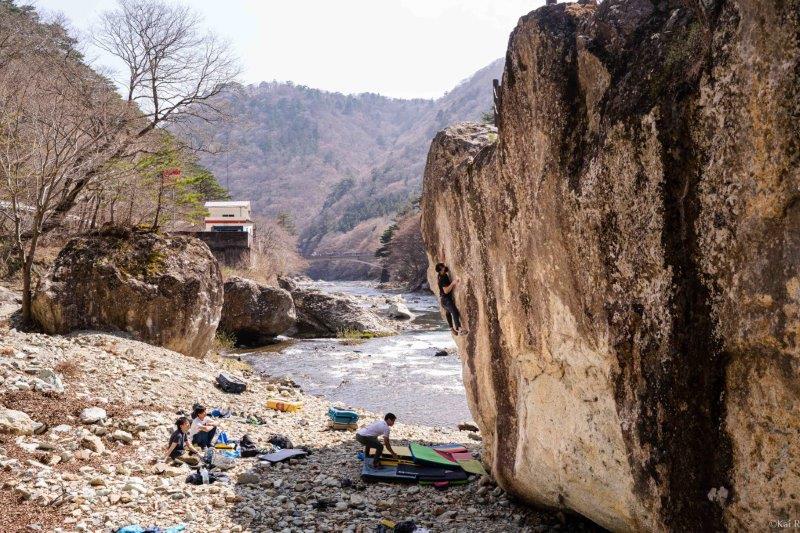
As the intense summer heat fades, autumn emerges as one of the best climbing seasons across Australia. The drop in temperature creates ideal friction conditions for rock climbing, and lower humidity levels mean that holds feel crisp and grippy. Most major climbing areas see an influx of climbers taking advantage of the pleasant weather. With mild days and cool nights, autumn provides the perfect balance for long climbing sessions without the exhaustion of summer heat or the extreme cold of winter.
Autumn in Australia is characterized by mild daytime temperatures, which typically range from:
Blue Mountains (NSW): 10–25°C (50–77°F) – Crisp mornings and warm afternoons make for ideal climbing conditions. Dry air enhances grip on sandstone, making technical routes easier to handle.
Nowra (NSW South Coast): 12–27°C (54–81°F) – Pleasantly warm conditions with lower humidity, which is great for endurance sport climbing. Evenings cool down, offering a refreshing post-climb environment.
Grampians (VIC): 8–23°C (46–73°F) – Cold mornings but comfortable climbing conditions in shaded areas during the day. Wind exposure can vary significantly between crags.
Mount Arapiles (VIC): 7–22°C (45–72°F) – Perfect temperatures for long trad routes; however, mornings and late evenings can be quite chilly.
Moonarie (SA): 10–28°C (50–82°F) – Generally warmer than the southeastern climbing areas, but crisp autumn mornings make it one of the best times to visit before summer heat returns.
Recommended Climbing Destinations
The Blue Mountains, just outside Sydney, come into prime condition during autumn. The sandstone cliffs, known for their technical face climbing and steep sport routes, offer impeccable grip in the cooler air. Popular areas such as Centennial Glen, Sublime Point, and Shipley Upper provide a variety of climbing experiences, from beginner-friendly routes to overhung endurance challenges. Classic multi-pitch trad routes like Sweet Dreams remain a favorite for those looking to experience breathtaking views along with world-class climbing.
For climbers looking for adventure in South Australia, Moonarie in the Flinders Ranges is a top autumn destination. This remote sandstone cliff line features bold trad climbing and expansive views of the rugged outback. Frog Buttress in Queensland, famous for its clean crack climbing, is another excellent autumn choice, offering solid friction and stunning vertical routes.
Key Considerations for Climbing in Australian Autumns
- Prime Sending Season: Cooler temperatures improve friction, making this one of the best times to send difficult projects.
- Variable Weather: While days are generally mild, nights can be cold. Bring layers to stay comfortable.
- Less Crowding: Compared to peak summer, many crags are less crowded, offering a more relaxed climbing experience.
- Prepare for Shorter Days: Daylight hours start to decrease, so plan longer routes accordingly.
- Potential Rainfall: Some regions may experience more frequent rain showers, so checking the forecast before heading out is essential.
Winter is the peak season for the best rock climbing in Australia’s most famous crags. The cold, dry air enhances rock friction, making it easier to hold onto small crimps, delicate slopers, and technical footholds. While coastal regions may experience more rain, inland and elevated crags benefit from crisp, clear days, allowing climbers to push their limits without overheating.
3. Winter (June–August)
Cold mornings, dry conditions, best grip of the year, shorter daylight hours, and sun-facing walls for warmth.
Weather Conditions
For climbers willing to brave the cool mornings and shorter daylight hours, winter offers some of the best conditions for tackling hard sport routes, bouldering projects, and long trad climbs. However, understanding the temperature variations and how they affect climbing conditions is crucial for planning a successful winter climbing trip.
Australia’s winter climbing destinations experience a wide range of temperatures, depending on location, elevation, and proximity to the coast. Generally, inland areas and mountainous regions have cold mornings (sometimes near freezing), but the sun warms the rock throughout the day, creating perfect afternoon climbing conditions.
Here’s what to expect in some of the most popular winter climbing locations:
The Grampians (VIC): 3–17°C (37–63°F) – Early mornings can be bitterly cold, requiring extra layers and gloves while belaying. However, by mid-morning, the sun warms up the rock, creating ideal conditions for bouldering and sport climbing.
Mount Arapiles (VIC): 5–20°C (41–68°F) – Cold but sunny, with dry air providing excellent friction for crack and face climbing. Wind can make shaded routes feel much colder.
Blue Mountains (NSW): 2–18°C (35–64°F) – The sandstone cliffs can be freezing in the morning, but sun-exposed crags warm up quickly. South-facing cliffs stay cold and damp while north-facing crags are comfortable.
Nowra (NSW South Coast): 7–22°C (45–72°F) – Warmer than inland crags, making it one of the best places for winter sport climbing. Climbing in direct sunlight feels comfortable, even in cooler temperatures.
Moonarie (SA): 5–23°C (41–73°F) – Remote and exposed, Moonarie benefits from dry air and warm midday temperatures, making it an excellent winter trad climbing destination.
The cooler temperatures prevent excessive sweating, allowing climbers to maintain a better grip on the rock. However, climbing in the shade can feel extremely cold, especially when the wind picks up. Choosing sun-facing walls is essential for a comfortable winter climbing experience.
Recommended Climbing Destinations
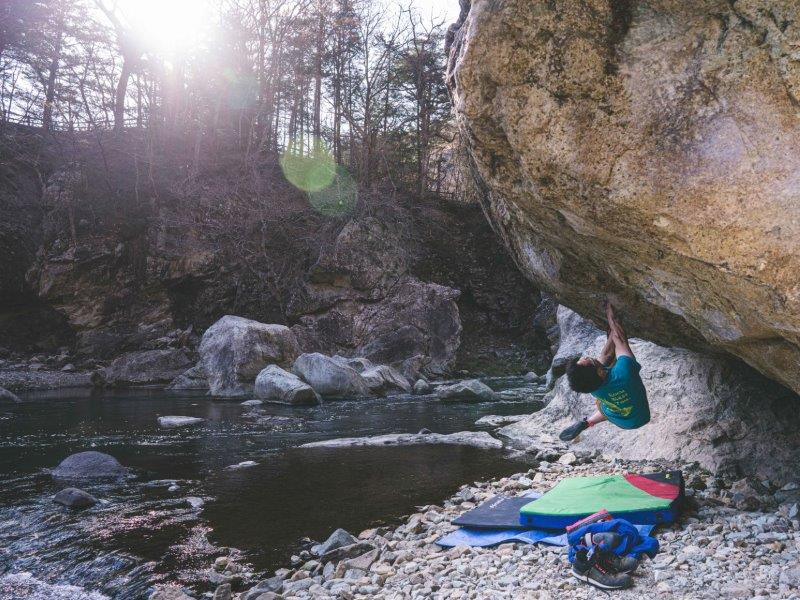
Winter is the perfect season for climbing in many of Australia’s top crags. The You Yangs in Victoria provide excellent granite slabs and bouldering conditions that benefit from the dry air. Nowra’s steep limestone walls remain one of the best spots for sport climbers looking to test their endurance, as the rock stays dry and provides excellent friction.
For those seeking adventure climbing, Wilpena Pound in South Australia delivers breathtaking outback scenery and bold trad routes that challenge even experienced climbers. The Blue Mountains, where north-facing crags provide ideal winter climbing conditions, are another excellent choice for tackling technical routes in the crisp, dry air.
Key Considerations for Climbing in Australian Winters
- Start Early – Shorter daylight hours mean less time for climbing, so begin early to maximize available light.
- Choose Sun-Facing Walls – North-facing crags stay warmer and provide better conditions, while shaded walls can remain damp and cold.
- Dress in Layers – Mornings can be chilly, but temperatures rise during the day. Wear layers that can be easily removed as you warm up.
- Bring a Warm Belay Jacket – Staying warm between climbs is essential, especially for multi-pitch or long belay sessions.
- Use Gloves and Warm Footwear – Cold hands and feet can affect grip and movement; belay gloves and insulated approach shoes help maintain comfort.
- Check Weather Conditions – Winter rain, fog, and wind can impact climbing, so monitor forecasts and choose sheltered routes if necessary.
- Be Mindful of Moisture – Some south-facing cliffs and caves retain dampness, making holds slippery and increasing the risk of injury.
- Pack a Thermos with Hot Drinks – Staying warm between climbs helps maintain energy and prevents muscle stiffness.
- Stay Hydrated – Cold weather can mask dehydration, so drink plenty of water even if you don’t feel thirsty.
- Plan for Early Descents – Darkness sets in quickly in winter, so allow enough time to descend safely before sunset.
4. Spring (September–November)
Mild temperatures, unpredictable weather, increasing daylight, blooming landscapes, and active wildlife.
Weather Conditions
Spring in Australia is a transitional season that offers comfortable climbing conditions across many regions. Temperatures gradually warm up from winter, providing cool mornings and pleasant afternoons with lower humidity, which improves grip and endurance. For example, in the Blue Mountains, morning temperatures can start at 5–10°C (41–50°F), gradually warming to 18–25°C (64–77°F) by midday. Similarly, the Grampians experience early morning lows of around 6–12°C (43–54°F), with daytime highs reaching 20–26°C (68–79°F).
However, the weather can be unpredictable, with occasional rain showers, gusty winds, and rapid temperature shifts depending on the location. Higher-elevation crags, like those in the Blue Mountains or the Grampians, may still have chilly mornings, while coastal and inland areas, such as Nowra (12–27°C / 54–81°F), can heat up quickly by midday. Spring also marks the return of wildlife, including nesting birds and snakes becoming more active as the weather warms. While conditions are generally favorable for climbing, keeping an eye on the forecast and adjusting plans accordingly is key to making the most of the season.
Recommended Climbing Destinations
Spring is one of the most wonderful seasons to experience the best rock climbing in Australia, offering optimal conditions with cool mornings, mild afternoons, and extended daylight hours that allow for longer climbing sessions. With minimal rainfall and low humidity, rock friction is at its best, providing an excellent opportunity for climbers to push their grades and take on more challenging routes.
For those seeking variety beyond well-known crags, Kaputar National Park in New South Wales offers a unique experience with its volcanic rock formations, steep walls, and cracks that demand technical precision. In the Northern Territory, the stunning quartzite cliffs of Keep River National Park provide a remote and adventurous alternative, featuring towering walls, striking formations, and a wild, off-the-beaten-path atmosphere. The area is less frequented than other major climbing destinations, making it perfect for those who appreciate solitude and an immersive experience in nature.
Spring’s longer daylight hours make it an ideal season for multi-pitch climbs, big wall ascents, and extended bouldering sessions without the pressure of dwindling light. Climbers can explore some of the most breathtaking and diverse rock landscapes in Australia, from the adventurous trad routes of Moonarie in South Australia to the world-class sandstone bouldering of the Grampians in Victoria. The dry, crisp conditions enhance grip, allowing for better performance on delicate slab routes, technical face climbs, and highball boulders.
Additionally, spring is a fantastic time to combine climbing with outdoor exploration. Many of these destinations are located within national parks, offering opportunities for hiking, camping, and wildlife spotting. Whether you’re planning a weekend getaway or an extended climbing road trip, spring provides the perfect balance of comfortable temperatures, excellent climbing conditions, and the chance to experience Australia’s diverse landscapes at their finest.
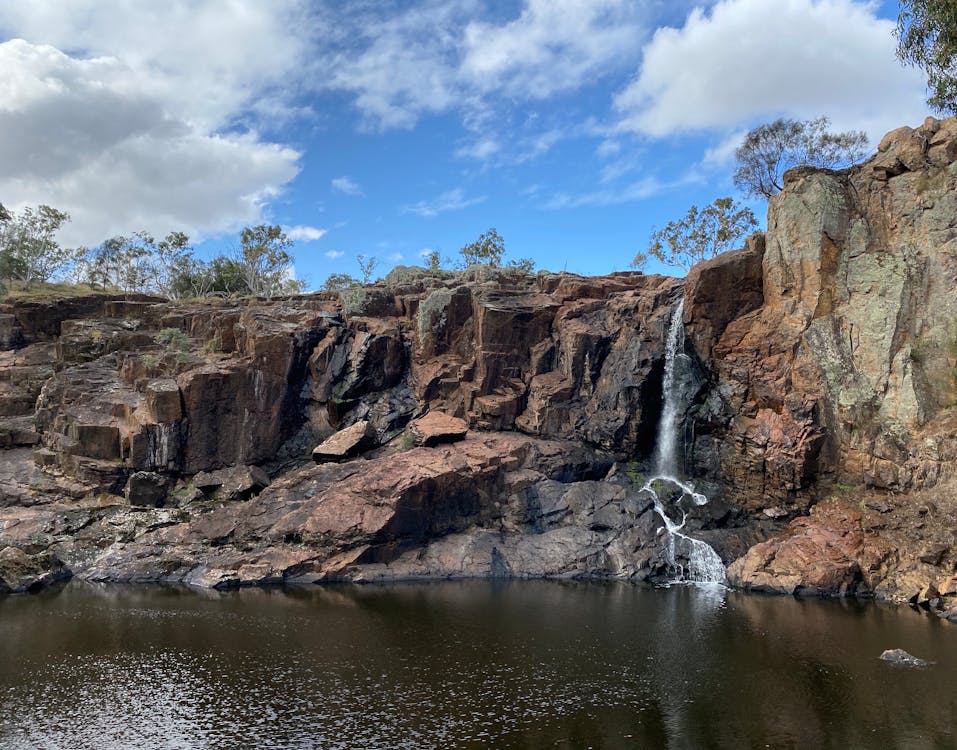
Key Considerations for Climbing in Australian Springs
- Expect Variable Weather – Spring brings a mix of warm days, cool mornings, and occasional rain, so check forecasts before heading out.
- Be Prepared for Wind – Some climbing areas, especially higher-elevation crags, can be windy in spring, affecting balance and exposure.
- Gradual Temperature Changes – Mornings may still be cold, but afternoons can get quite warm. Wear layers that can be removed as temperatures rise.
- Watch for Wildlife – Spring is nesting season for birds, and some cliffs may have seasonal climbing restrictions. Snakes also become more active as temperatures increase.
- Check for Seasonal Closures – Some climbing areas have restrictions due to wildlife conservation, so research access updates before planning a trip.
- Manage Moisture Levels – Some routes may still be damp from winter rain, so assess conditions before committing to a climb.
- Take Advantage of Prime Conditions – The moderate temperatures and low humidity in spring create excellent grip, making it a great time to push grades.
- Plan for Longer Climbing Days – With increasing daylight hours, spring is ideal for tackling long multi-pitch routes or extended sessions at the crag.
- Pack Sun Protection – As temperatures rise, sun exposure increases. Bring sunscreen, a hat, and sunglasses for prolonged outdoor climbs.
- Stay Hydrated – Warmer days mean higher fluid loss, so ensure you have enough water, especially for longer climbs.
Summary
Australia’s vast and varied climbing terrain offers incredible opportunities throughout the year, but understanding the seasonal shifts is essential for a successful and enjoyable experience. Each season brings unique challenges and advantages, making it possible to find world-class climbing conditions year-round with the right planning.
Summer presents the challenge of extreme heat, but shaded areas in the Grampians provide cooler alternatives. Autumn is a climber’s paradise, offering stable temperatures and excellent friction at iconic spots like the Blue Mountains and Moonarie. Winter is the best season for crisp, dry conditions, and it is perfect for sending hard projects in the You Yangs in Victoria or Wilpena Pound in South Australia. Spring welcomes increasing daylight hours and mild weather, making it a great time to explore Kaputar National Park, the wonderful quartzite cliffs of Keep River National Park, or the world-class bouldering in the Grampians.
No matter when you visit, preparation is key. Checking weather conditions, packing the right gear, staying hydrated, and being mindful of seasonal wildlife and conservation efforts will ensure a safe and rewarding climbing trip. Whether you’re a trad climber, sport enthusiast, or boulderer, Australia’s rock climbing destinations are waiting to be explored.
Now that you have the ultimate seasonal guide to the best rock climbing in Australia, it’s time to start planning your next adventure. Happy climbing!